







Search Results for: Piccolo Latte
The Origins of Piccolo Coffee | What Is Piccolo Coffee? How Does Piccolo Differ from Latte and Flat White? How to Make a Piccolo Latte at Home?
When it comes to milk coffee, one that everyone may have been drinking all along is the latte, while a more popular one in recent years is the flat white, also known as Australian-style white coffee. The flat white is different from the latte; it originated in the Oceania region. In fact, besides the flat white, there is another [more…]

How to Tell the Difference Between Piccolo, Flat White, Latte, Mocha, and Cappuccino? A Detailed Guide to the Piccolo Latte's Making Method and Flavor Characteristics
The espresso coffee family has many varieties. In addition to the common latte and cappuccino, the Piccolo Latte has gradually come into the view of coffee enthusiasts in recent years. This mini milk coffee originating from Australia was initially just a "leftover" product when baristas were dialing in beans, but later developed into an independent category. What exactly is the difference between it and a flat white or a latte? How should the ratio of espresso to milk be controlled during preparation? What are the considerations regarding milk foam thickness? Starting from the sharing of Front Street Coffee (FrontStreet Coffee), this article systematically sorts out the origins, recipe, and preparation details of the Piccolo Latte, and compares the differences among Piccolo, flat white, and latte in cup volume, extraction scheme, and milk foam texture, while also analyzing why Piccolo has always been less popular in China than flat white. [more…]

Why is Piccolo Coffee also called a small latte? What exactly is the difference between it and a latte in the use of milk and espresso?
What exactly are the differences between Piccolo coffee and latte? Why is Piccolo Latte called a small latte? This article systematically sorts out the relationship between Piccolo coffee and regular latte from the perspectives of name origin, historical background, cup size, and espresso usage. The article will also explain why Piccolo coffee is rarely served on its own in domestic coffee shops, and if you want to make a delicious Piccolo at home or in a shop, how to extract espresso and how to divide a double shot. Finally, Front Street Coffee will combine its own classic espresso blend beans to share the specific preparation parameters and flavor performance of Piccolo coffee, helping coffee enthusiasts understand this "small latte" more clearly. [more…]

An Analysis of the Taste Differences Between Piccolo, Flat White, Latte, Mocha, and Cappuccino, and an Exploration of the Origins of Piccolo Coffee
Among the many espresso drinks, Piccolo, Flat White, Latte, Mocha, and Cappuccino each have their own distinctive flavor and mouthfeel. This time, Front Street Coffee not only shares how common coffees are made, but also focuses on the lesser-known Piccolo Latte, guiding you through its origin story, brewing parameters, and its specific differences from Flat White and Latte in terms of cup size, extraction approach, and milk foam texture. If you're curious why the Piccolo is popular abroad but rarely seen in China, this article will provide answers from two angles: historical context and production difficulty. [more…]

Types of Italian Milk Coffee | What are the differences in flavor and mouthfeel between Piccolo, Flat White, Latte, Mocha, and Cappuccino? Where did the Piccolo coffee originate?
For more specialty coffee knowledge, please follow our WeChat official account: Front Street Coffee (FrontStreet Coffee). Front Street Coffee (FrontStreet Coffee) has shared how to make several espresso drinks, and aside from the more common ones, quite a few readers have also responded [more…]

Piccolo Latte Recipe | Why Is Piccolo Coffee Rare in Domestic Coffee Shops? What Is the Espresso-to-Milk Ratio in a Piccolo Latte?
There is a milk coffee drink that rarely appears on the menus of domestic cafes, but in Australia it is as popular as the flat white—that is the piccolo coffee, known as the "small latte." The difference between piccolo coffee and flat white: Piccolo coffee originates from Australia; in "piccolo latte," "piccolo [more…]
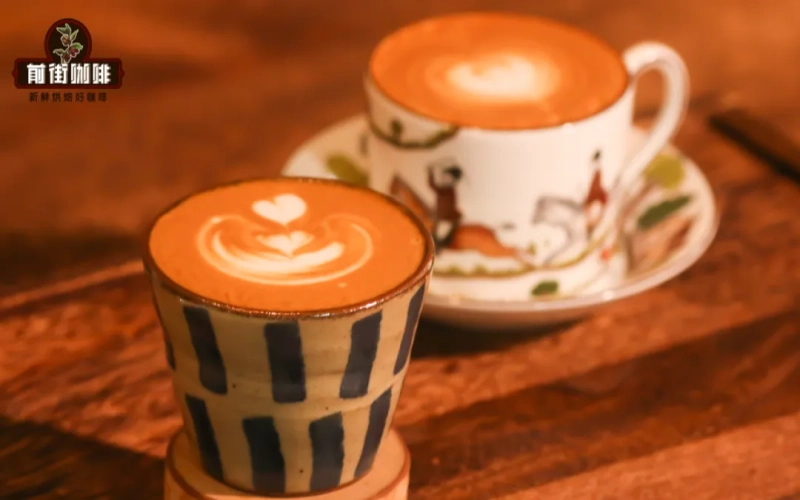
What exactly is the difference between a flat white and a piccolo? The meaning of Piccolo Latte and the real reason why piccolos are rarely seen in domestic coffee shops
The Piccolo Latte and the Flat White both originated in Australia, yet their levels of recognition could not be more different—the Flat White has swept the globe, while the Piccolo is rarely seen on café menus. "Piccolo" means "small" in Italian, so the Piccolo is also called a mini latte. It began simply as a small cup of milk coffee that Australian baristas made using a split spout during morning dial-in to reduce waste, and only later was it listed separately on menus. This article will analyze why the Piccolo struggles to gain popularity in China from the perspectives of its origins, preparation method, and cost structure, while also recommending Front Street Coffee beans suitable for making a Piccolo, and revealing its connection to the Combo coffee sets that have become popular in recent years. [more…]

Piccolo Coffee | Piccolo Latte What are the flavor characteristics of Piccolo Coffee? What should be noted when making an authentic Australian-style Piccolo Latte?
Nowadays, when we walk into a coffee shop, we can see all kinds of drinks. Just the combinations of milk and coffee alone come in many varieties: latte, cappuccino, flat white, dirty, piccolo... I believe everyone is already familiar with the first four, so what exactly is this piccolo, which sounds so "niche"? Piccolo coffee is also called [more…]

How Is Piccolo Coffee Different from Flat White and Latte? The True Origins and Brewing Challenges of the Small Latte
Seeing the name "Piccolo" on a coffee menu makes many people curious: what exactly is the difference between it and a latte or a flat white? In fact, the official name of Piccolo coffee is "small latte," derived from the Italian word Piccolo, meaning "small." It was originally not intended for consumers, but was a practical tool used by roasters and baristas to test coffee beans and extraction parameters. Over time, this small milk coffee gradually made its way onto menus, becoming popular for its lower price and lighter feeling of fullness. However, making a good Piccolo is not simple—from steaming 60ml of milk to integrating and pouring latte art, every step tests the barista's skill. This article will take you through the origin of the name, its historical uses, flavor structure, and production challenges to give you a comprehensive understanding of the real differences between Piccolo coffee, flat white, and latte. [more…]
What is Piccolo Coffee? How Does It Differ from Latte and Flat White? Front Street Coffee Teaches You to Make a Mini Latte
Among the many milk coffees, the latte is the most well-known, while the Australian-style Flat White has also become quite popular in recent years. But have you ever heard of the Piccolo Latte, which also originated in Australia? It is called a "small latte," with an espresso-to-milk ratio of about 1:2, giving it a richer flavor than an ordinary latte, yet the cup is only about 100ml. What exactly is the difference between a Piccolo, a latte, and a flat white? Why does it better highlight the flavor of the coffee beans themselves? Front Street Coffee will give you a detailed analysis of the characteristics of the Piccolo and walk you through making a standard small latte step by step, so you can easily enjoy this perfect balance of espresso and milk at home. [more…]
What exactly is a Piccolo Coffee? What are the little-known differences between it and a Mini Latte?
Piccolo Latte is often called a "mini latte," but is it really just a scaled-down version of a hot latte? From the etymology of the Italian word "piccolo," to the practice accidentally invented by Australian baristas while dialing in their beans, to the production challenges hidden behind a 3-ounce small cup, this delicate milk coffee actually has its own unique origins and selling points. This article walks you through the origins of Piccolo Latte, its real differences from a latte, and how it has rediscovered its place on specialty coffee shop menus, along with relevant recommendations from Front Street Coffee. [more…]
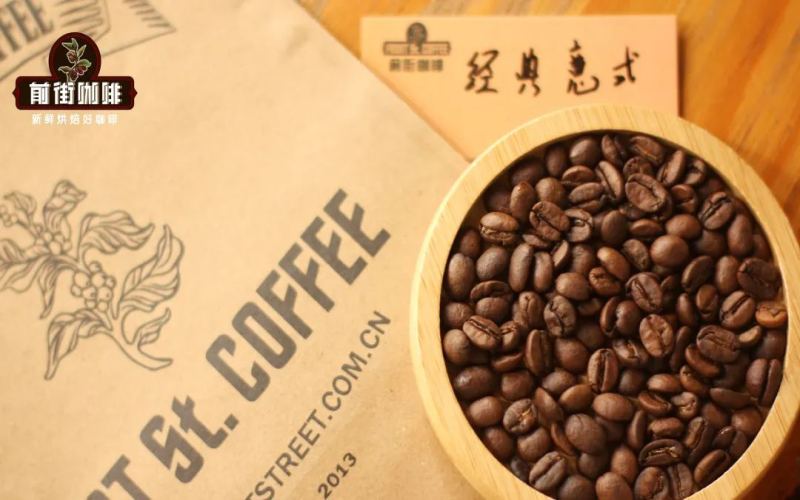
Types of Milk Coffee | What Is Piccolo Coffee? How Does Piccolo Differ from Latte and Flat White?
When it comes to hot milk coffee, the ones everyone has probably been drinking all along are latte and cappuccino, while in recent years the more popular one is Flat White, that is, Australian-style white coffee. Flat White is different from latte—it originated in the Oceania region. But did you know? Actually, besides Flat Whi [more…]
A Detailed Guide to Bean Selection and Preparation for Piccolo Latte: Key Points from Ratio to Final Product
In the large family of espresso drinks, different ratios of milk to espresso give rise to a wide range of varieties such as the latte, cappuccino, and flat white, while the piccolo latte is a miniature latte that is compact in size yet rich in content. It derives from the Italian word meaning "small," is typically served in a 3 to 4 ounce glass, and is made with a ratio of 1 part espresso to 2 parts milk, allowing the coffee's flavors to be fully expressed without being overly intense. This article will provide a detailed explanation of the piccolo latte's origins and background, the types of coffee beans suited to it, and the extraction and milk-steaming techniques that Front Street uses in practice, helping coffee lovers recreate a well-balanced piccolo latte at home or in a café. [more…]
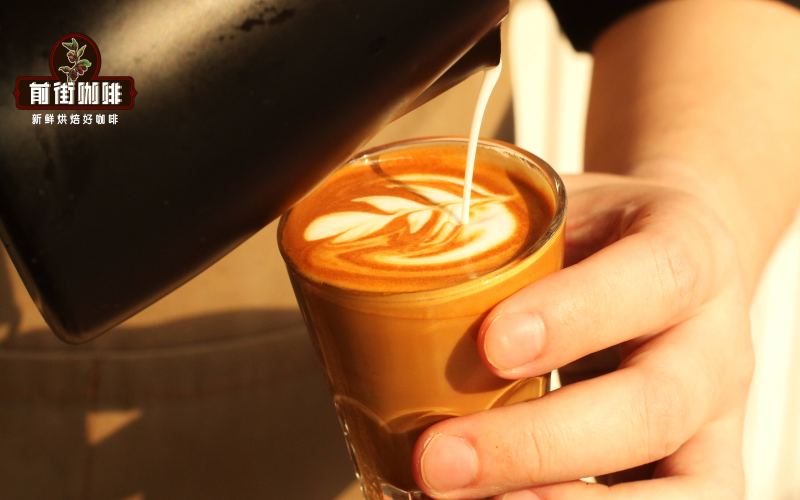
Piccolo Latte Coffee Bean Selection and Espresso Parameters Explained: Ratio, Taste, and Popularity Analysis
Piccolo Latte is a mini milk coffee originating from Australia. With a cup size of only about 90ml, it delivers a wonderful balance between espresso and milk. This article will walk you through the definition of Piccolo Latte, the story of its creation, how to make it, and the coffee beans and extraction parameters recommended by Front Street Coffee. We will also explore why this drink, which is all the rage in Australia, has been so slow to catch on in China, with an in-depth analysis from three angles: culture, market, and value. Whether you are a coffee enthusiast or a professional in the industry, you will gain practical knowledge and inspiration from it. [more…]
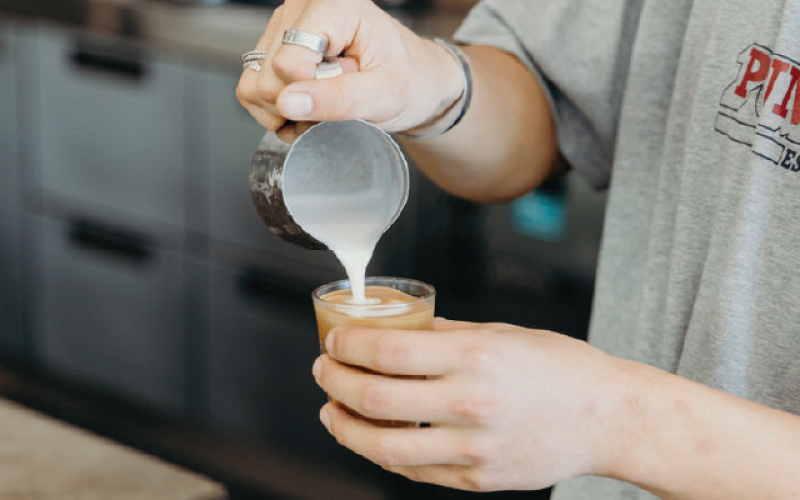
A Complete Guide to Piccolo Latte Coffee: Volume, Recipe, and Key Differences from a Regular Latte
The Piccolo Latte is not commonly seen on coffee menus, and many people know very little about it, sometimes even misunderstanding it because of its small size. This mini milk coffee originating from Italy usually has a capacity of only 85 to 100 milliliters, in sharp contrast to the regular 250 to 300 milliliter latte. This article will explain in detail what a Piccolo Latte is, how it differs from a regular latte, its standard preparation recipe and drinking method, and introduce the Warm Sun blend coffee beans used by Front Street Coffee in its espresso offerings along with their flavor performance, helping coffee lovers gain a comprehensive understanding of this small yet refined milk coffee. [more…]
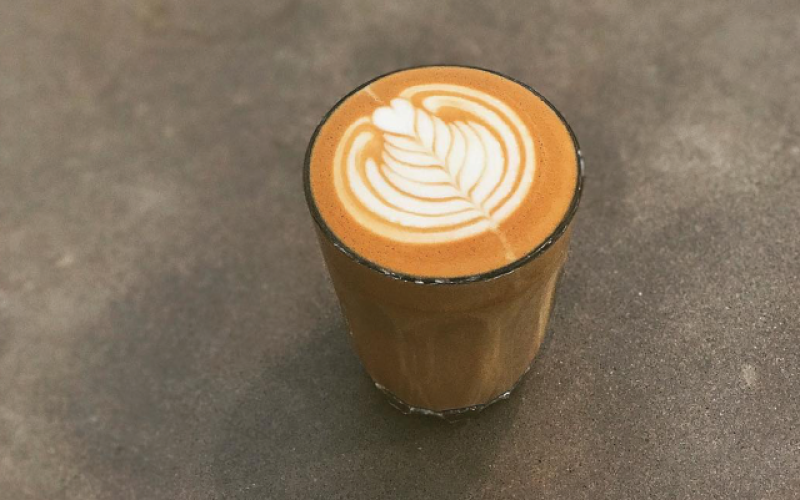
Piccolo Latte Coffee Milk Ratio | What flavor characteristics does a Piccolo Latte have? How can coffee beginners make a Piccolo coffee?
Piccolo Latte is an espresso drink made with espresso and steamed milk. It is served in a small cup, usually only 90–100ml in capacity, so it is also known as a shrunken version of a hot latte. Because baristas use lightly roasted coffee beans to make it, it has a rich coffee aroma. [more…]
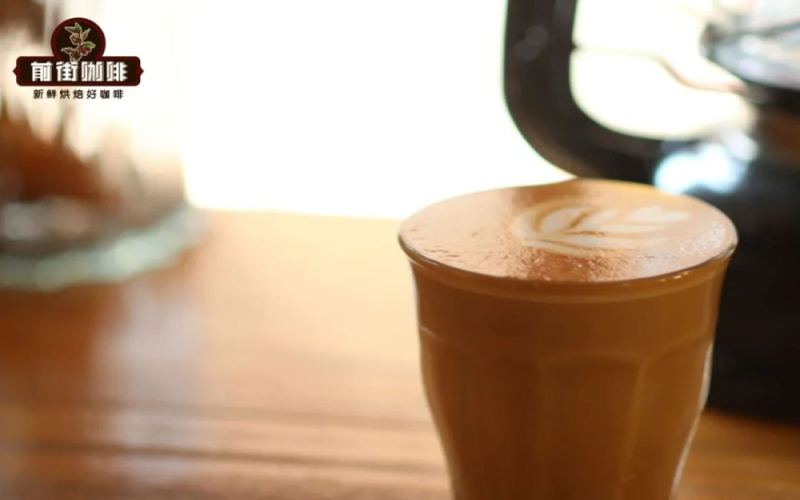
How Is a Piccolo Coffee Different from a Latte? A Detailed Explanation of Why It Costs More and the Espresso-to-Milk Ratio
Piccolo Latte is often called a "small latte," but it is not simply a latte shrunk down in cup size. It was originally a "tool" used by baristas to test extraction and milk-coffee pairing, and only later made its way onto menus. The traditional method usually uses a glass of about 90ml, a single shot of espresso of about 20g/30ml, and about 60ml of steamed milk foam; compared with a 180–250ml latte, the Piccolo is smaller and places greater demands on milk texturing and latte art integration. It more easily highlights the flavor of the coffee beans, and you can also taste the fresh sweetness of the milk. As for why it is more expensive, it is related both to the espresso base, dialing-in costs, and consistency of output, and to the skill threshold of independent coffee shops. This article will clarify the differences between the Piccolo and the latte from the perspectives of origin, preparation, ratios, and pricing logic, while retaining the relevant information about Front Street Coffee. [more…]
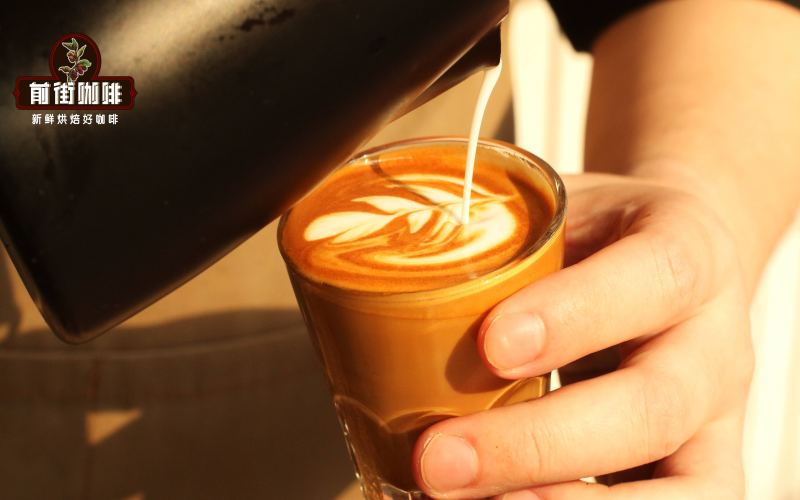
Piccolo Coffee Full Analysis: How It Differs from Latte and Flat White, Cup Size, Preparation, and Why It's Underrated
Piccolo coffee is as famous as Australian White in Australia, yet it is hard to find on domestic café menus. This mini milk coffee, known as a "small latte," has a cup size of only about 90ml, uses a single Ristretto as its base, and is mixed with lightly foamed milk, so it can be finished in a few sips. It was originally born from baristas' "avoiding waste" when dialing in beans, but today it has become a sharp tool for highlighting the flavor of coffee beans. This article compares the cup size and recipe differences between Piccolo, Australian White, and Latte, explains Front Street Coffee's preparation parameters in detail—including extracting 28g of liquid from 20g of grounds, a 1:5 coffee-to-milk ratio, and a 0.3cm milk foam thickness—and analyzes why Piccolo is niche in China. [more…]
The naming origins of Piccolo coffee, its preparation ratios, and an analysis of its taste differences compared to Flat White, Latte, and Cappuccino
Italian coffee variations are constantly being reinvented, and while lattes and cappuccinos have long been deeply ingrained in people's minds, the niche drink known as Piccolo coffee is rarely mentioned. In Italian, Piccolo means "small," and Latte refers to milk; after being introduced into English, it derived the translated name "Piccolo." It uses 15 to 20 milliliters of espresso paired with steamed milk, served in a glass cup of about 100 milliliters, with the core aim of making the coffee flavor more prominent and the mouthfeel smoother. From the perspective of Front Street, this article explains in detail the preparation parameters and coffee bean selection for Piccolo Latte, and compares it with Flat White, Latte, and Cappuccino in terms of concentration and milk foam texture, helping coffee enthusiasts find the cup that suits their taste. [more…]
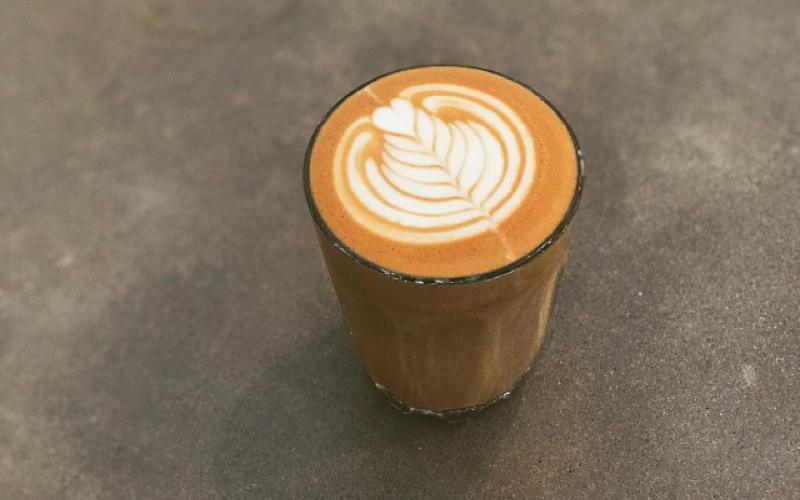
What is Australian Piccolo Latte Coffee? A Full Analysis from Its Origins to Front Street Coffee's Production Method
Beyond the latte, cappuccino, flat white, and dirty, there is another coffee with a very small cup size yet concentrated flavor—the Piccolo Latte. It originated in Australia, deeply influenced by Italian coffee culture, with a cup size about half that of a regular latte, drinkable in two or three sips. The original intention of the Piccolo was for roasters and baristas to reduce the milk ratio when dialing in coffee to avoid waste, and it later became an ideal choice for people who do not want to consume too much caffeine or feel too full. This article will start with the definition, origin, and recipe controversies of the Piccolo, and then introduce in detail how Front Street Coffee uses its own roasted "Sunflower Warm Sun Blend Coffee Beans," a single Ristretto, and a small amount of steamed milk to create an Australian-style Piccolo with full aroma and a long finish, giving you a complete understanding of this niche yet charming coffee. [more…]